
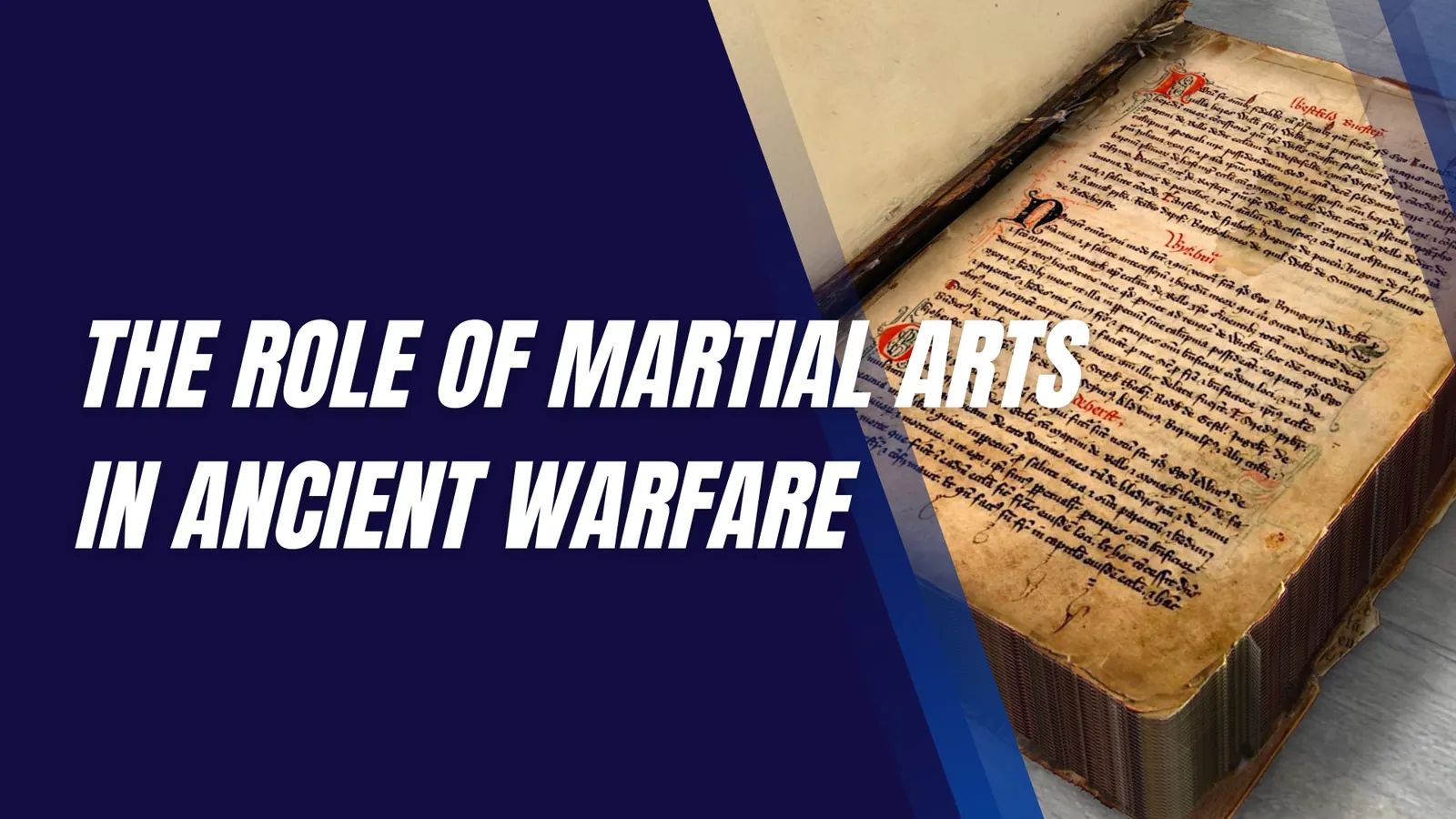
When we think of martial arts, we often picture modern practices like karate or taekwondo, but their origins trace back to ancient times where they played a crucial role in warfare.
Martial arts, a system of combat practices and techniques, were integral in shaping the strategies, tactics, and outcomes of battles throughout history. This article explores the fascinating role of martial arts in ancient warfare across various cultures.
Origins of Martial Arts
Martial arts have roots deeply embedded in the earliest civilizations. Initially, they were developed as practical techniques for survival and self-defense. Over time, these methods evolved, incorporating cultural, philosophical, and spiritual elements. The significance of martial arts went beyond combat, embodying the values and traditions of the societies that practiced them.
Martial Arts in Ancient China
China's martial arts heritage is one of the richest in history, with practices like Kung Fu and Wushu. These arts were not only about fighting but also about cultivating the body and mind. Ancient Chinese warriors used martial arts for self-defense, military training, and in hand-to-hand combat on the battlefield. Strategic elements from Sun Tzu's "The Art of War" were often integrated into martial arts training, emphasizing the importance of strategy and mental acuity in warfare.
Martial Arts in Ancient Japan
In Japan, martial arts were deeply intertwined with the way of the samurai, who were the military nobility of medieval and early-modern Japan. Practices such as Jujitsu and Judo emphasized leverage and technique over brute strength, making them effective in both armed and unarmed combat. Ninjas, or shinobi, also practiced a form of martial arts that included espionage, sabotage, and guerrilla warfare tactics, which were crucial in various historical conflicts.
Martial Arts in Ancient India
India is home to Kalaripayattu, one of the oldest fighting systems in existence. This martial art, characterized by strikes, kicks, grappling, and weaponry, had a significant influence on other Asian martial arts. Indian warriors used these techniques not only in duels and skirmishes but also in large-scale battles. The physical and mental discipline required in Kalaripayattu training prepared soldiers for the rigors of warfare.
Martial Arts in Ancient Greece
The Greeks developed Pankration, a no-holds-barred fighting system that combined boxing and wrestling. This martial art was part of the ancient Olympic Games and was also used to train soldiers. Greek military training integrated Pankration to enhance the combat skills of their hoplites, who were heavily armed foot soldiers.
Martial Arts in Ancient Rome
Roman martial arts were evident in gladiatorial combat and the rigorous training of legionaries. Gladiators were skilled in various fighting techniques, often training with different weapons. The Roman legions, known for their discipline and organization, incorporated martial arts into their training regimens to ensure soldiers were prepared for close-quarters combat.
Martial Arts in Ancient Africa
In Africa, martial arts took various forms, such as the early roots of Capoeira, which combined elements of dance, acrobatics, and combat. Egyptian stick fighting, another ancient martial practice, showcased the continent's rich tradition of martial arts that were both practical for warfare and culturally significant.
Martial Arts in Ancient Southeast Asia
Southeast Asia also has a rich martial arts history, with practices like Muay Boran from Thailand and Silat from Indonesia and Malaysia. These martial arts were not only about personal combat but also incorporated into the military training and battlefield tactics of the region's warriors.
Techniques and Weaponry
Ancient martial arts encompassed a wide array of techniques, including strikes, kicks, throws, joint locks, and weapon usage. Weapons such as swords, spears, and bows were often used in conjunction with martial arts techniques, creating a comprehensive system of combat training. Rigorous training regimens ensured that warriors were proficient in both hand-to-hand combat and the use of various weapons.
Philosophy and Discipline
Martial arts in ancient times were deeply philosophical and spiritual. They often included ethical codes, such as the Bushido code of the samurai, which emphasized virtues like honor, courage, and loyalty. Spiritual practices, including meditation and mindfulness, were integral parts of martial arts training, helping warriors develop mental resilience and clarity.
Role in Strategy and Tactics
Martial arts significantly influenced ancient military strategies and tactics. Techniques learned in martial arts were applied to battlefield maneuvers, enhancing the effectiveness of troops in combat. The principles of timing, positioning, and leverage found in martial arts were crucial in devising successful military tactics.
Martial Arts Training for Soldiers
Training in martial arts provided ancient soldiers with numerous benefits, including physical fitness, mental conditioning, and improved team dynamics. The rigorous physical training enhanced their strength, agility, and endurance, while mental conditioning helped them maintain focus and discipline in the heat of battle. The teamwork fostered through martial arts training was essential for coordinated military operations.
Impact on Modern Martial Arts
The influence of ancient martial arts is evident in modern practices. Many contemporary martial arts have evolved from these ancient systems, retaining core techniques and philosophies. Modern martial arts continue to emphasize discipline, respect, and the integration of body and mind, reflecting their ancient origins.
Final Thoughts
Martial arts played a pivotal role in ancient warfare, shaping the way battles were fought and influencing the training and strategies of warriors across various cultures. The legacy of these ancient practices continues to impact modern martial arts, demonstrating their enduring significance.
Ground Standard Agency is the parent of Try A Martial Art, Keppan, and GXGS. One company, four ways to grow a martial arts school.