
Article
The Basic Principles of Krav Maga: Mastering Self-Defense Explained
By Bobby Freda2 min readGeneral
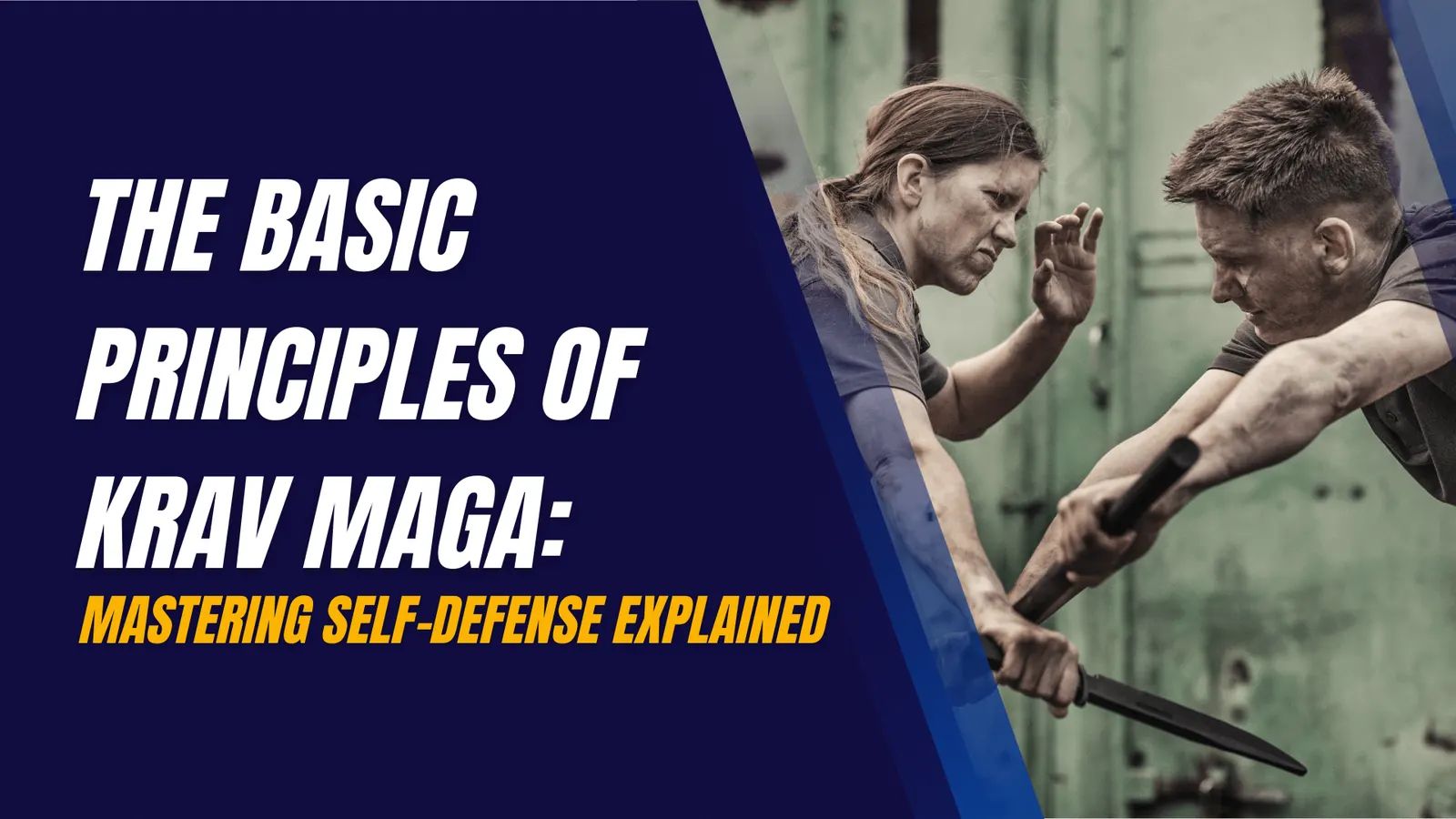
"Krav Maga" has increasingly gained prominence in the world of self-defense and martial arts.
When broaching the topic, "What are the basic principles of Krav Maga?" it's crucial to delve into its core tenets that make it a distinctive and practical combat system. Developed in the mid-20th century by Imi Lichtenfeld for the Israeli military, Krav Maga operates on a set of fundamental principles that prioritize real-world functionality and efficiency.
Outlined in this article are the five cornerstone principles that define Krav Maga, providing a comprehensive resource for blogs, journalists, and those interested in this unique martial art.
1. Neutralization of Threats
Above all, Krav Maga prioritizes the swift neutralization of threats. Its techniques are formulated to rapidly and efficiently incapacitate an assailant, emphasizing vital target areas like the eyes, throat, and groin. This principle is foundational because, in real-world situations, time is often of the essence.
2. Simultaneous Defense and Attack
One of the distinguishing aspects of Krav Maga is its emphasis on simultaneous defense and offense. Instead of blocking an attack and then retaliating, practitioners are trained to defend and strike concurrently. This reduces the time an attacker has to react and increases the defender's chances of gaining the upper hand.
3. Retzev - Continuous Motion
The Hebrew term "Retzev" encapsulates the idea of fluid, relentless, and continuous motion in Krav Maga. Practitioners are taught to chain together defensive and offensive maneuvers, ensuring that the opponent is given little to no opportunity to regain composure or retaliate.
4. Practicality and Adaptability
Krav Maga does not involve complex sequences or choreographed kata. Instead, it emphasizes instinctual, straightforward techniques that can be applied in varied and unpredictable real-life scenarios. This principle ensures that a practitioner can adapt and respond, whether facing an armed or unarmed attacker, multiple assailants, or diverse environments.
5. Focus on Scenario Training
To ensure real-world applicability, Krav Maga training heavily incorporates scenario-based drills. This includes simulating common assault situations, varying environmental factors, and even training in low-light conditions. Such training cultivates a practitioner's ability to remain calm, think clearly, and act decisively under pressure.
Krav Maga, with its roots in the battlefields and streets, is distinguished by its unwavering commitment to practicality and efficiency. Through its five basic principles - neutralization, simultaneous defense and offense, continuous motion, adaptability, and scenario training - this martial system empowers its practitioners with the skills and mindset required to tackle real-world threats.
Ground Standard Agency is the parent of Try A Martial Art, Keppan, and GXGS. One company, four ways to grow a martial arts school.