
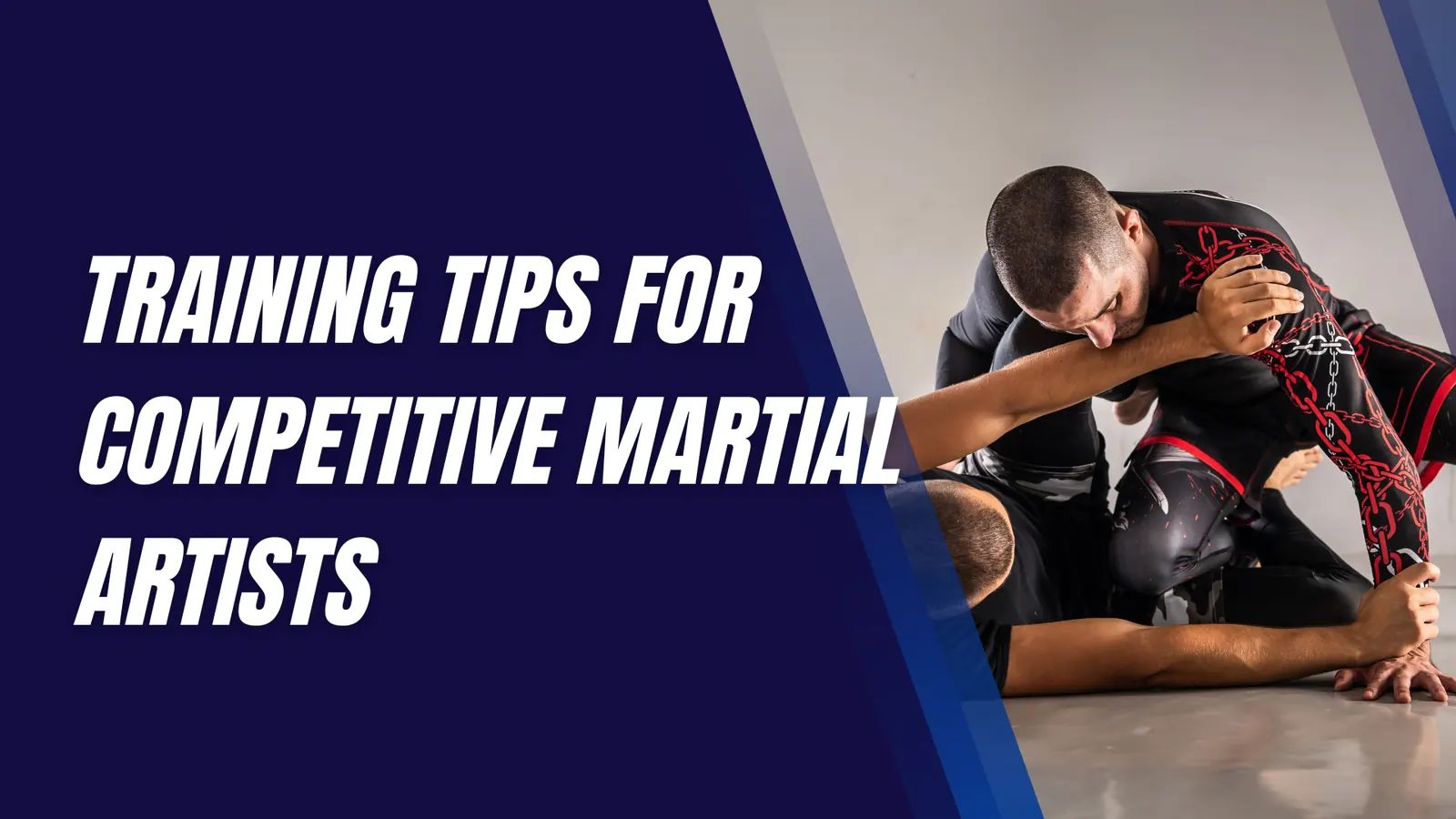
Training for competitive martial arts is a journey that requires dedication, discipline, and a well-rounded approach.
Whether you're a beginner looking to enter your first competition or a seasoned fighter aiming to refine your skills, having a comprehensive training plan is essential. This guide will provide you with valuable tips and insights to help you train effectively and reach your competitive goals.
Setting Clear Goals
Setting clear and achievable goals is the foundation of any successful training regimen. It's important to distinguish between short-term and long-term goals to maintain focus and motivation.
Short-term vs. Long-term Goals
Short-term goals could include mastering a new technique or improving your endurance over the next few months. Long-term goals might be winning a specific tournament or achieving a higher belt rank. Write down your goals and review them regularly to stay on track.
Creating a Training Plan
A well-structured training plan should incorporate various aspects of martial arts training, including technique, conditioning, and mental preparation. Break down your plan into weekly or monthly segments to ensure you're progressing steadily towards your goals.
Building a Strong Foundation
Before diving into advanced techniques, it's crucial to build a strong foundation. This means mastering the basics and developing a solid understanding of the fundamental principles of martial arts.
Basics of Martial Arts Techniques
Focus on perfecting your punches, kicks, and blocks. Ensure your movements are precise and powerful. Consistent practice of these basics will serve as the building blocks for more complex techniques.
Importance of Stance and Footwork
A good stance provides balance and stability, while effective footwork allows for quick movements and evasions. Spend time drilling your stances and footwork to enhance your overall agility and responsiveness.
Strength and Conditioning
Physical fitness is a critical component of martial arts training. Incorporate a variety of exercises to build strength, endurance, and flexibility.
Core Strength Exercises
A strong core is essential for generating power and maintaining balance. Include exercises like planks, Russian twists, and leg raises in your routine.
Cardio Workouts for Endurance
Cardio workouts, such as running, swimming, or cycling, improve cardiovascular health and endurance. High-Intensity Interval Training (HIIT) is particularly effective for simulating the intense bursts of activity during a match.
Flexibility and Mobility Routines
Flexibility and mobility are key to executing techniques with full range of motion. Incorporate dynamic stretches before workouts and static stretches afterward to enhance flexibility.
Skill Development
Consistently improving your martial arts skills is vital for competitive success. Focus on precision, sparring, and learning new techniques.
Drills for Precision and Accuracy
Practice drills that target specific skills, such as hitting small targets or executing techniques under pressure. This helps improve your accuracy and control.
Sparring Techniques and Tips
Sparring is a crucial aspect of training, allowing you to apply your skills in a realistic setting. Work on your timing, distance management, and adaptability during sparring sessions.
Incorporating New Techniques
Stay open to learning new techniques and styles. This not only keeps your training interesting but also makes you a more versatile and unpredictable competitor.
Mental Preparation
Mental toughness is as important as physical strength in martial arts. Develop strategies to stay focused and calm under pressure.
Building Mental Toughness
Push yourself beyond your comfort zone in training to build resilience. Practice maintaining focus during challenging situations.
Visualization Techniques
Visualization is a powerful tool for mental preparation. Regularly visualize yourself performing techniques successfully and winning matches to build confidence and reduce anxiety.
Stress Management and Relaxation
Incorporate relaxation techniques such as deep breathing, meditation, or yoga into your routine to manage stress and enhance mental clarity.
Nutrition and Hydration
Proper nutrition and hydration are vital for peak performance and recovery.
Balanced Diet for Martial Artists
Consume a balanced diet rich in lean proteins, complex carbohydrates, and healthy fats. Focus on nutrient-dense foods to fuel your training.
Importance of Hydration
Staying hydrated is crucial for maintaining energy levels and preventing cramps. Drink plenty of water throughout the day, especially before and after training sessions.
Supplements for Enhanced Performance
Consider supplements such as protein powder, BCAAs, or multivitamins to support your training. Always consult with a healthcare professional before adding supplements to your regimen.
Recovery and Injury Prevention
Recovery and injury prevention are often overlooked but are essential for long-term success in martial arts.
Rest and Recovery Strategies
Ensure you get adequate rest between training sessions. Incorporate rest days into your schedule and consider activities like light stretching or foam rolling to aid recovery.
Common Martial Arts Injuries and How to Avoid Them
Understand the common injuries in martial arts, such as sprains, strains, and fractures. Focus on proper technique and listen to your body to prevent injuries.
Importance of Proper Warm-Up and Cool Down
Always start your training with a thorough warm-up to prepare your muscles and joints. Cool down with stretches to aid in recovery and reduce muscle soreness.
Analyzing Performance
Regularly analyzing your performance helps identify areas for improvement and track progress.
Keeping a Training Journal
Maintain a training journal to record your workouts, techniques practiced, and any feedback received. This helps you stay organized and monitor your progress over time.
Using Video Analysis
Recording your training sessions and matches allows you to review your performance and identify areas for improvement. Look for patterns or mistakes that need correction.
Seeking Feedback from Coaches and Peers
Actively seek feedback from your coach and training partners. Constructive criticism is invaluable for refining your skills and strategies.
Adapting to Competition
Adapting to different opponents and situations is crucial for competitive success.
Preparing for Different Opponents
Study potential opponents and tailor your training to address their strengths and weaknesses. This helps you develop effective strategies for each match.
Adapting Techniques to Match Situations
Be flexible in your approach and ready to adapt your techniques based on the flow of the match. This requires quick thinking and a deep understanding of your skills.
Maintaining Composure During Matches
Stay calm and composed during matches, even under pressure. Focus on your game plan and avoid getting rattled by your opponent's tactics.
Cross-Training
Cross-training can provide additional benefits and prevent burnout from repetitive martial arts training.
Benefits of Cross-Training
Cross-training improves overall fitness, reduces the risk of overuse injuries, and keeps training interesting. Activities like swimming, yoga, or weightlifting can complement your martial arts training.
Popular Cross-Training Activities for Martial Artists
Explore activities such as gymnastics for flexibility, boxing for striking skills, or Brazilian Jiu-Jitsu for grappling techniques. These can enhance your martial arts abilities.
Balancing Martial Arts and Cross-Training
Ensure your cross-training activities complement rather than detract from your martial arts training. Maintain a balanced schedule to avoid overtraining.
Building a Support System
A strong support system is essential for staying motivated and achieving your goals.
Finding a Good Coach
A knowledgeable and supportive coach can guide your training and help you reach your potential. Look for a coach with experience and a coaching style that matches your needs.
Training with a Partner or Team
Training with a partner or team provides motivation, accountability, and a sense of camaraderie. It also allows for more diverse and challenging training sessions.
Importance of Community Support
Engage with the martial arts community through seminars, competitions, and social media. This provides additional support and inspiration from fellow martial artists.
Staying Motivated
Staying motivated throughout your training journey can be challenging, but it's crucial for long-term success.
Setting Milestones and Celebrating Achievements
Set small, achievable milestones and celebrate when you reach them. This keeps you motivated and gives you a sense of progress.
Overcoming Plateaus
Everyone hits plateaus in their training. When this happens, mix up your routine, set new goals, and stay patient. Persistence is key.
Inspirational Stories from Successful Martial Artists
Read or watch stories about successful martial artists to find inspiration. Their journeys can provide valuable lessons and motivate you to keep pushing forward.
Technological Aids in Training
Leverage technology to enhance your training and track your progress.
Wearable Technology and Fitness Trackers
Use fitness trackers to monitor your heart rate, calories burned, and other vital stats. This data can help you optimize your training.
Apps and Online Resources
Utilize apps and online resources for technique tutorials, workout plans, and training tips. These tools can supplement your training and provide new ideas.
Virtual Reality Training
Explore virtual reality training for a unique and immersive training experience. This technology can simulate various scenarios and opponents, enhancing your preparedness.
Final Thoughts
Training for competitive martial arts is a demanding but rewarding journey. By setting clear goals, building a strong foundation, and maintaining a balanced approach to training, you can achieve your competitive aspirations. Remember to stay motivated, seek support, and continuously strive for improvement. Martial arts is not just about physical prowess but also about mental resilience and personal growth.
Ground Standard Agency is the parent of Try A Martial Art, Keppan, and GXGS. One company, four ways to grow a martial arts school.