When you think of martial arts schools, the first thing that comes to mind is probably students learning new techniques, breaking boards, or earning their next belt.
However, behind the scenes, there's a crucial element that ensures the success and sustainability of these schools: staff training and development. Training and developing staff in martial arts schools are essential for maintaining high standards of instruction, ensuring student safety, and fostering a positive learning environment. This article delves into the myriad benefits of staff training and development and offers insights into implementing effective programs.
Understanding Staff Training and Development
Definition and Scope
Staff training and development encompass a range of activities designed to improve the skills, knowledge, and effectiveness of staff members. Training is typically focused on specific skills needed to perform job functions, while development is broader, aimed at the long-term growth of employees, preparing them for future roles and responsibilities.
Differences Between Training and Development
Training tends to be short-term and skill-specific, such as learning a new martial arts technique or understanding safety protocols. Development, on the other hand, is an ongoing process aimed at overall career growth. This includes leadership training, advanced certifications, and continuous education.
The Role of Staff Training in Martial Arts Schools
Enhancing Instruction Quality
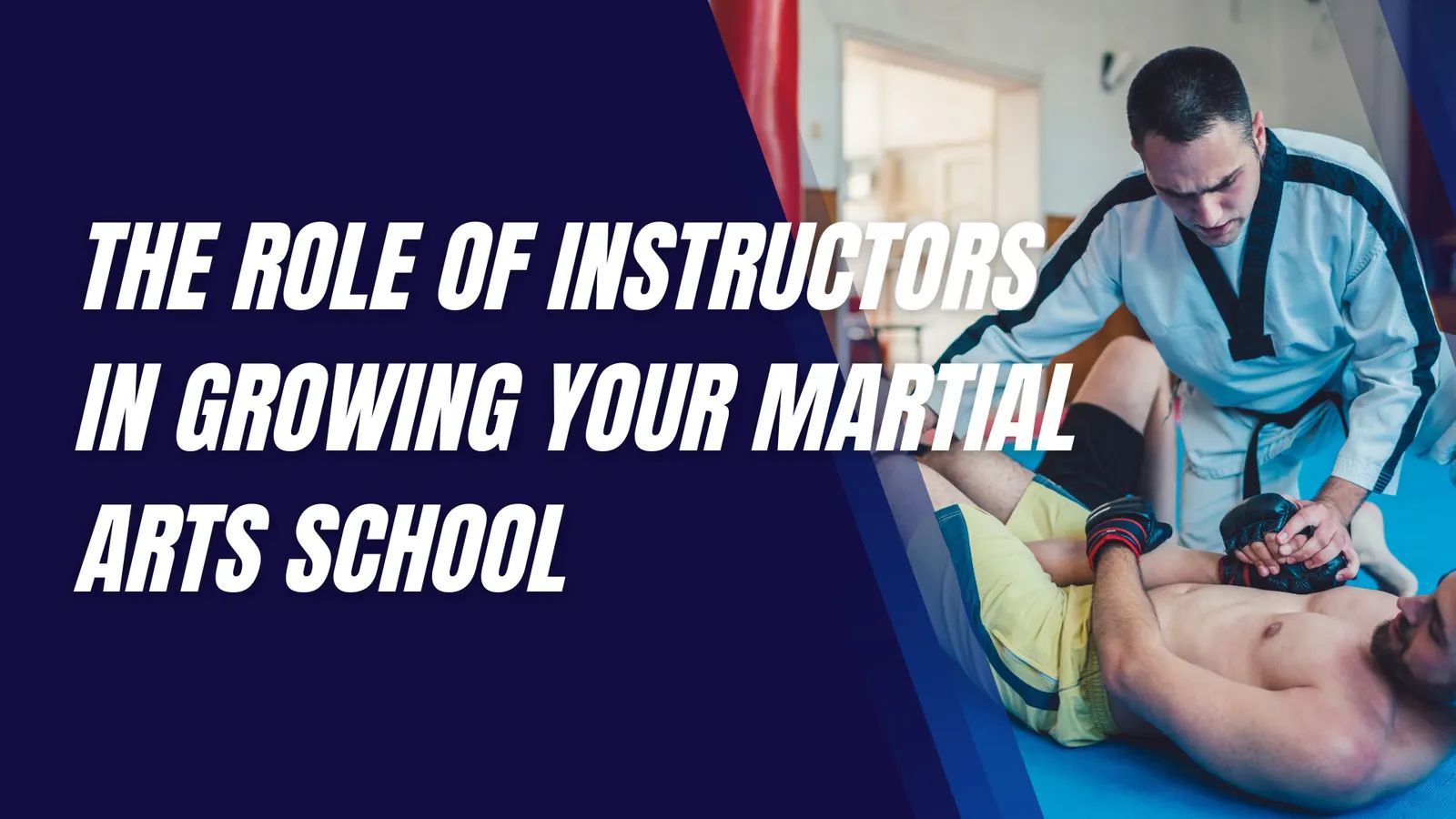
One of the primary roles of staff training in martial arts schools is to enhance the quality of instruction. Well-trained instructors are better equipped to teach techniques correctly and effectively. This not only improves student performance but also helps in retaining students by providing a high-quality learning experience.
Ensuring Safety and Proper Technique
Safety is paramount in martial arts training. Proper staff training ensures that instructors can teach techniques safely, preventing injuries. This involves not just the physical aspects of martial arts but also understanding how to manage a class, address emergencies, and provide first aid when necessary.
Benefits of Development Programs
Increased Staff Retention
Investing in staff development leads to higher job satisfaction and reduces turnover. When employees feel that their employer is invested in their growth, they are more likely to stay with the organization, reducing the costs associated with recruiting and training new staff.
Boosted School Reputation
A well-trained staff enhances the reputation of a martial arts school. Parents and students are more likely to choose a school known for its qualified and professional instructors. Positive word-of-mouth and online reviews can significantly impact enrollment rates.
Improved Student Outcomes
When staff members are well-trained and continuously developing their skills, students benefit directly. They receive better instruction, more personalized attention, and a safer training environment. This leads to higher student satisfaction, retention, and success rates.
Key Components of Effective Training Programs
Curriculum Development
An effective training program begins with a well-developed curriculum. This should cover all necessary skills and knowledge areas, from basic techniques to advanced strategies, safety protocols, and instructional methods. The curriculum should be regularly reviewed and updated to reflect new developments in martial arts and teaching methodologies.
Continuous Learning Opportunities
Staff development should not be a one-time event but an ongoing process. Offering continuous learning opportunities such as workshops, seminars, and advanced certifications keeps staff engaged and up-to-date with the latest trends and techniques in martial arts and education.
Mentorship and Peer Learning
Mentorship programs pair less experienced staff with seasoned instructors. This not only facilitates skill transfer but also fosters a supportive learning environment. Peer learning, where staff members learn from each other through collaborative practices, is also highly effective.
Implementing Staff Development Initiatives
Setting Clear Objectives
For a training program to be successful, it must have clear objectives. These should align with the overall goals of the martial arts school, such as improving student outcomes, enhancing safety, or expanding the school's offerings. Clear objectives help in measuring the success of the training programs.
Budgeting for Training Programs
Effective staff development requires investment. Schools need to budget for training programs, considering costs such as hiring external trainers, purchasing training materials, and compensating staff for their time. Proper financial planning ensures that the training program is sustainable and effective.
Measuring Success
Evaluating the effectiveness of training programs is crucial. This can be done through various metrics, such as student performance, staff retention rates, and feedback from both staff and students. Regular assessments help in identifying areas for improvement and ensuring that the training programs meet their objectives.
Overcoming Challenges in Staff Training
Addressing Resistance to Change
Resistance to change is a common challenge in implementing new training programs. Overcoming this requires clear communication about the benefits of the training and involving staff in the planning process. Highlighting success stories and providing support throughout the transition can also help ease resistance.
Time Management
Balancing regular duties with training can be challenging. Schools need to create schedules that allow staff to participate in training without disrupting their regular responsibilities. This might include offering training sessions at different times or providing online training options.
Limited Resources
Many martial arts schools operate with limited resources. Optimizing these resources for maximum impact involves prioritizing training needs, seeking external funding or partnerships, and utilizing free or low-cost training materials where possible.
Case Studies of Successful Training Programs
Example 1: ABC Martial Arts School
ABC Martial Arts School implemented a comprehensive training program that included regular workshops and a mentorship system. As a result, they saw a significant improvement in student performance and a reduction in instructor turnover. The school's reputation grew, attracting more students and increasing revenue.
Example 2: XYZ Martial Arts Academy
XYZ Martial Arts Academy focused on continuous learning, offering monthly seminars and encouraging instructors to pursue advanced certifications. This approach led to a more knowledgeable and skilled staff, higher student retention rates, and positive reviews, boosting the academy's profile in the community.
Future Trends in Staff Training and Development
Technological Advancements
Technology is playing an increasingly important role in staff training. Online training modules, virtual reality simulations, and mobile apps provide flexible and engaging learning opportunities. These tools make it easier to provide consistent training to all staff members, regardless of their location or schedule.
Personalized Training Programs
Personalized training programs tailored to individual staff members' needs and career goals are becoming more common. These programs recognize that each instructor has unique strengths and areas for improvement, and they provide targeted training to help each person reach their full potential.
Final Thoughts
In conclusion, staff training and development are critical to the success of martial arts schools. They enhance the quality of instruction, ensure student safety, and improve overall school performance. By investing in their staff, martial arts schools can create a positive learning environment that attracts and retains students, builds a strong reputation, and fosters long-term success.
Ground Standard Agency is the parent of Try A Martial Art, Keppan, and GXGS. One company, four ways to grow a martial arts school.