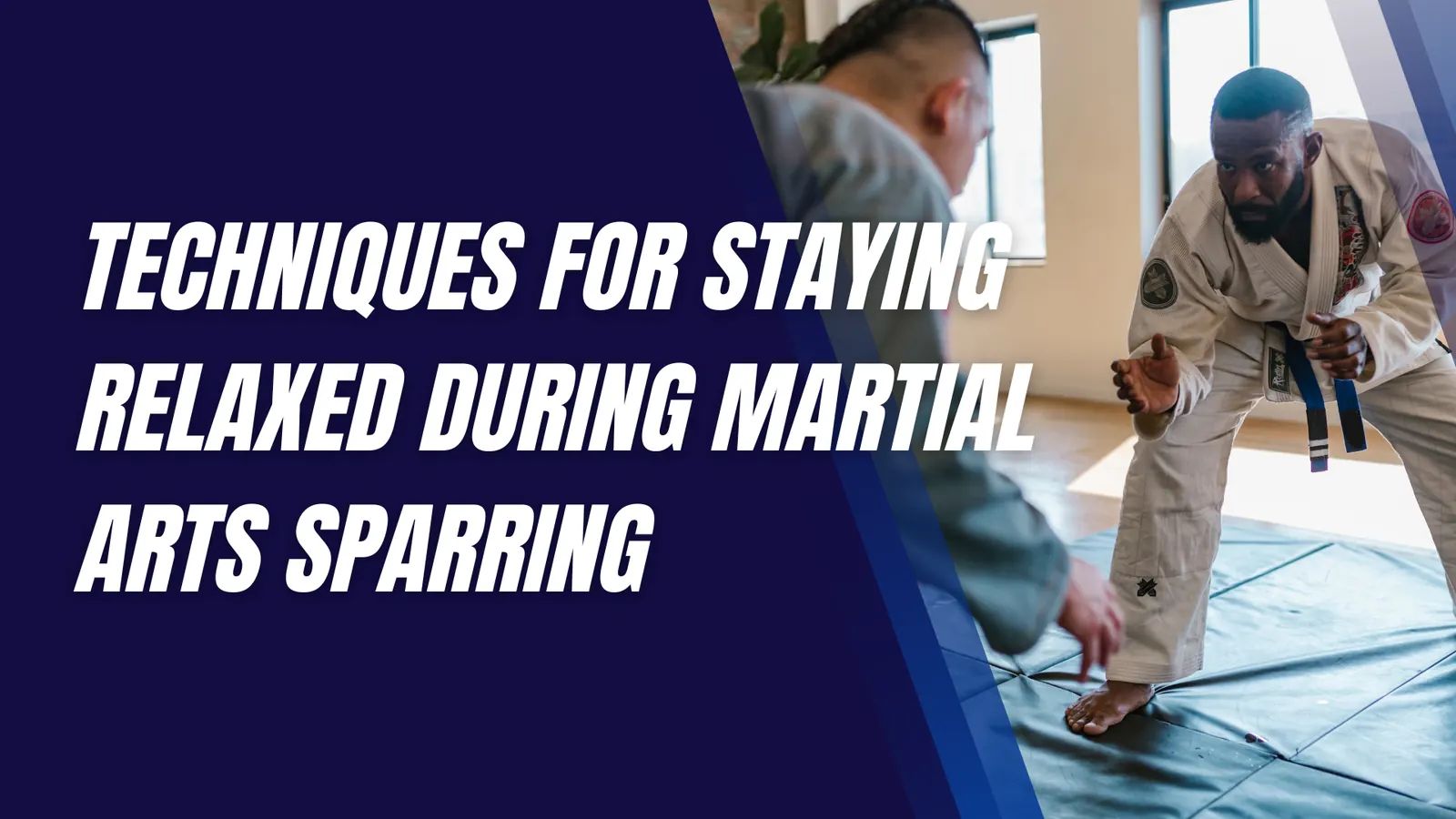
Martial arts sparring can be an intense experience.
You’re in a dynamic environment where speed, technique, and reflexes are all tested. But one of the most crucial elements often overlooked is the ability to stay relaxed. Maintaining a calm and composed state can make all the difference between a successful sparring session and one filled with mistakes and fatigue. So, how do you stay relaxed when your adrenaline is surging and your heart is pounding? Let’s explore some effective techniques to help you keep your cool during sparring.
The Psychology of Relaxation in Sparring
Before diving into specific techniques, it’s important to understand the psychology behind relaxation during sparring. When you step onto the mat, your body triggers a fight-or-flight response. This natural reaction can cause muscle tension, rapid breathing, and a racing heart—all of which can negatively impact your performance. By learning to relax, you counteract this response, allowing your mind to stay clear and your body to remain agile.
Breathing Techniques to Stay Calm
The Importance of Breath Control
Breath control is one of the most effective ways to stay relaxed during sparring. When you focus on your breathing, you can slow down your heart rate and calm your nerves.
Diaphragmatic Breathing
This technique involves deep breathing using your diaphragm rather than shallow chest breathing. Inhale slowly through your nose, filling your lungs from the bottom up, and exhale through your mouth. This helps to regulate oxygen flow, keeping you calm and focused.
Box Breathing Method
Also known as four-square breathing, this technique involves inhaling for four seconds, holding the breath for four seconds, exhaling for four seconds, and holding again for four seconds. Practicing box breathing regularly can help maintain a calm state even in the heat of sparring.
Incorporating Breathing Exercises into Daily Practice
Make breathing exercises a regular part of your martial arts training routine. Practicing these techniques outside of sparring sessions will make them second nature when it’s time to perform.
Developing Mental Focus and Clarity
Visualization Techniques for Staying Relaxed
Visualizing positive outcomes can significantly impact your mindset during sparring. Spend a few minutes each day visualizing yourself successfully executing techniques and staying calm under pressure.
Mindfulness Meditation for Martial Artists
Mindfulness meditation helps improve focus and reduces anxiety. Regular practice trains your mind to stay present, which is invaluable when you’re in the midst of a fast-paced sparring session.
Mental Imagery of Successful Sparring Scenarios
Picture yourself in the ring or dojo, moving effortlessly and staying relaxed. Imagine handling unexpected situations with calm and precision. This mental imagery can build confidence and reduce stress.
The Role of Confidence in Staying Relaxed
Confidence is a key factor in remaining relaxed during sparring. When you trust your skills and abilities, your mind is less likely to panic.
Building Confidence Through Consistent Practice
Regular, consistent practice is essential. The more familiar you are with techniques, the less likely you are to feel anxious during sparring.
Overcoming Fear of Failure and Injury
Fear of getting hurt or making mistakes can create tension. Focus on the process rather than the outcome, and view every sparring session as a learning opportunity.
Positive Self-Talk and Affirmations
Replace negative thoughts with positive affirmations. Remind yourself of your strengths and past successes to keep anxiety at bay.
Body Awareness and Tension Release
Being aware of your body and knowing where you hold tension is critical.
Scanning the Body for Tension
During breaks or even while sparring, do a quick mental scan from head to toe to identify areas of tension. This helps in releasing unnecessary tightness.
Progressive Muscle Relaxation
This technique involves tensing a muscle group for a few seconds, then slowly releasing it. This can be practiced before and after sparring to keep your body loose and relaxed.
Importance of Posture and Stance
Good posture can help in maintaining relaxation. Ensure that your stance is balanced and that your body weight is distributed evenly to avoid unnecessary strain.
Adopting a Flexible Sparring Strategy
How Adaptability Reduces Stress
Being adaptable in your approach can help you stay relaxed. If you’re too rigid, unexpected moves from your opponent can create stress.
Practicing Fluid Movements
Engage in exercises that promote fluidity and flexibility. This allows you to flow with the action rather than resist it.
Embracing Unpredictability
Accepting that not everything will go as planned allows you to maintain calmness, regardless of the circumstances.
The Importance of a Warm-Up and Cool-Down Routine
A proper warm-up and cool-down routine is vital to staying relaxed during sparring.
Effective Warm-Up Exercises to Prevent Tension
Dynamic stretching, light jogging, or shadowboxing can help loosen muscles and get your body ready for action.
Stretching Techniques for Relaxation
Incorporate both dynamic and static stretching to increase flexibility and reduce muscle tension.
Cool-Down Routines for Mental Decompression
Finish your session with gentle stretching and deep breathing to help calm the mind and body.
Partner Communication and Respect
Understanding Your Sparring Partner’s Style
Take time to learn about your partner’s strengths and weaknesses. This understanding reduces anxiety and helps you stay composed.
Establishing Mutual Respect and Trust
When both partners respect each other, sparring becomes less intimidating and more of a shared learning experience.
Using Communication to Reduce Anxiety
Open communication with your partner about intensity levels and boundaries can help in creating a safe environment, fostering relaxation.
Setting Realistic Expectations
Focusing on Skill Development, Not Just Winning
Shift your focus from winning to learning. This mindset allows for relaxation and growth.
Learning from Mistakes and Setbacks
Every sparring session is an opportunity to learn. Embrace mistakes as part of the learning curve.
Creating a Growth-Oriented Mindset
A growth mindset encourages relaxation by reducing the pressure to perform perfectly.
Nutrition and Hydration for Relaxation
What you eat and drink can significantly affect your relaxation levels.
Foods That Promote Calmness and Focus
Foods rich in omega-3 fatty acids, magnesium, and complex carbohydrates can help maintain a calm and focused state.
Staying Hydrated to Reduce Stress Levels
Dehydration can increase anxiety and tension, so make sure to drink plenty of water before and after sparring.
Timing Meals Around Sparring Sessions
Eating a light, balanced meal before sparring can provide energy without making you feel sluggish.
Proper Sleep and Recovery
The Role of Sleep in Muscle Recovery and Relaxation
Adequate sleep is crucial for muscle recovery and maintaining a relaxed state of mind.
Techniques for Better Sleep Hygiene
Establish a regular sleep schedule, avoid screens before bedtime, and create a calm sleeping environment.
Balancing Training with Adequate Rest
Listen to your body and allow sufficient rest between training sessions to avoid burnout.
Using Music and Sound to Stay Calm
Benefits of Listening to Calming Music
Music has a profound impact on mood. Listening to calming music before sparring can help set a relaxed tone.
Utilizing Sound Therapy During Training
Sound therapy, such as listening to white noise or nature sounds, can help maintain focus and relaxation.
Creating Personalized Playlists for Relaxation
Curate playlists with songs that relax or motivate you, depending on your needs during sparring.
Practical Tips During Sparring Sessions
Staying Relaxed in High-Pressure Moments
Focus on your breathing, keep your movements fluid, and remember to stay loose.
Recognizing and Releasing Tension During a Fight
Be aware of where you tend to hold tension and consciously release it.
Balancing Aggression with Calmness
Understand that sparring is about controlled aggression. Keep your emotions in check to maintain clarity and control.
Seeking Guidance from Instructors and Peers
Learning from Experienced Martial Artists
Seek advice from those with more experience. They can offer valuable insights into relaxation techniques.
Sharing Relaxation Techniques within the Community
Discussing different methods and experiences with peers can help discover new ways to stay calm.
Openly Discussing Fears and Anxieties
Don’t be afraid to share your fears. Open discussions can lead to support and reassurance.
Final Thoughts
Staying relaxed during martial arts sparring is a skill that requires practice and dedication. By incorporating these techniques into your regular routine, you can enhance your performance, reduce stress, and enjoy sparring more. Remember, the key is consistency and a willingness to learn and adapt. So, take a deep breath, relax, and embrace the sparring experience.
Ground Standard Agency is the parent of Try A Martial Art, Keppan, and GXGS. One company, four ways to grow a martial arts school.